
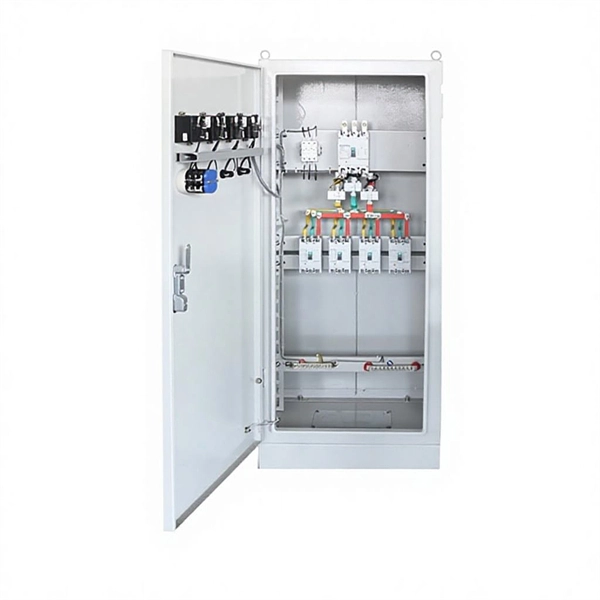
1. Use Certified Explosion-Proof Enclosures Standard boxes cannot simply be modified; the enclosure must be designed to contain internal sparks and prevent ignition of surrounding flammable gases or dust. Look for certifications such as ATEX, IECEx, or NEMA, which validate suitability for hazardous environments and compliance with Class I/II Division standards . Materials like stainless steel, aluminum, or GRP are preferred for mechanical strength, corrosion resistance, and durability . 2. Proper Wiring and Components All internal components, including terminal blocks, switches, and cables, must be rated for explosion-proof use. Cables should be flame-resistant, impact-resistant, and certified for hazardous areas. Wiring must maintain proper electrical clearance and creepage distances to prevent arcing . Connections should be neat, secured with nylon ties, and fasteners should be galvanized or corrosion-resistant . 3. Grounding and Earthing A dedicated earth terminal is essential. Proper grounding ensures stray currents or faults are safely directed to the ground, reducing the risk of sparks or fire . The earth conductor must be securely connected and periodically inspected. 4. Sealing and Conduit Systems Explosion-proof boxes require sealed conduits to prevent flammable gases or dust from entering. Conduit entries often use pressurized or flameproof fittings to maintain enclosure integrity . Seals and gaskets must be compatible with the environment and regularly checked for wear or damage. 5. Avoid Flammable Materials Do not use wood or other combustible materials for the enclosure or internal panels. These can degrade, mold, or ignite in hazardous conditions . Only fire-retardant, non-combustible materials should be used. 6. Installation and Maintenance Installation must follow strict safety protocols and national electrical standards. Technicians should be trained in hazardous area classifications and proper installation techniques . Regular inspections are critical, especially in dusty or corrosive environments, to ensure seals, wiring, and components remain intact and heat dissipation is not compromised . 7. Optional Safety Enhancements In some cases, purge and pressurization systems or intrinsically safe barriers can be used to allow standard equipment to operate safely in explosive atmospheres by preventing ignition sources from contacting hazardous gases .
Making a distribution box explosion-proof is not a simple retrofit; it requires a certified enclosure, explosion-proof components, proper wiring, grounding, sealing, and adherence to hazardous area standards. Regular maintenance and inspection are essential to ensure ongoing safety in flammable or explosive environments .
A complete guide to explosion-proof boxes for hazardous areas. Learn how they work, key types (by material and
This feature makes them ideal for areas with a potential for explosions. 4. Gas-tight explosion-proof (GE explosion-proof) Gas-tight
The explosion-proof distribution box safely delivers power in hazardous zones (oil, gas, chemical plants) with rugged, spark-resistant
Learn everything about explosion proof enclosures for hazardous areas—design, certification, and industrial applications with ATEX,
Conclusion In summary, explosion proof wiring box solutions are vital for ensuring safety in environments prone to
All circuit wiring is run in conduit and junction boxes approved for explosion-proof installation. Explosion proof transducers and wiring
Explore the complete selection of ATEX and IECEx certified explosion-proof junction boxes at the Intrinsically Safe
Durable Hexlon Explosion Proof Distribution Boxes and Electrical Enclosures, IECEx and ATEX certified for Zone 1 and Zone 2.
Such solution, by providing type(s) of protec-tion is referred to as secondary explosion protection. These days, the construction of
All circuit wiring is run in conduit and junction boxes approved for explosion-proof installation. Explosion proof transducers and wiring
Explosion-proof Control Panel and Junction Box Explosion Proof Control Panels for Hazardous Area Applications As a professional
Terminal Box KHJ offers a large selection of terminal boxes and junction boxes for wiring connection in explosion hazardous areas.
It''s not just about compliance - it''s about creating intrinsically safe systems where cable management and enclosure installation don''t
Expert guidance on specifying, installing, and maintaining explosion‑proof distribution box solutions for hazardous
Find out how explosion-proof electrical boxes keep people and equipment safe in risky environments like oil, gas, and chemical
An explosion-proof box is a specially designed enclosure that contains internal explosions
Examples of Explosion-Proof Enclosures One example of explosion-proof standards is
Grounding of Metal Cabinets: Metal explosion-proof distribution boxes must be reliably grounded, with the grounding
Regularly inspect the explosion-proof distribution box for any damage to components. The
Ex-Proof & Flameproof Junction Boxes & Enclosures Supermec ATEX Junction Box & Enclosures are designed to satisfy most of our
Proper installation, wiring, and usage are critical to ensuring the safety and functionality of these systems.
This guide will explore the key features, benefits, types, and selection criteria for explosion-proof distribution panels to help you make
These environments require electrical distribution boxes that don''t just contain sparks but withstand massive internal
Explosion-proof (also spelled explosionproof) and flameproof enclosures are solidly constructed junction boxes for use in hazardous
In my columns on hazardous locations, I didn''t get around to equipment. For many years, Class I and Division 1 classification
Comprehensive guide on explosion-proof electrical boxes, including definitions, classifications, selection guidelines,
Working in potentially explosive environments means every component of your electrical system becomes a potential spark that
Non-Hygroscopic resins Polyethylene, Polypropylene, Polystyrene, PVC Normally an explosion proof container is a
This is because laboratories with a potentially flammable atmosphere must be devoid of any spark potential, including
Contact us for competitive quotes and expert technical support
Get a Quote